
Understanding the Illusion of Control in Gambling
Many players harbor a fundamental misconception about gambling: the belief that they can influence the outcome of random events. This illusion of control is deeply ingrained and often stems from a misunderstanding of probability and the nature of casino games. For instance, in games like roulette, players might develop superstitions about numbers or colours, believing that a specific sequence of events will lead to their desired outcome. This is a fallacy, as each spin of the wheel is an independent event, unaffected by previous results, and it’s important to remember that resources like slotsshineuk.org.uk can offer further insights into these concepts.
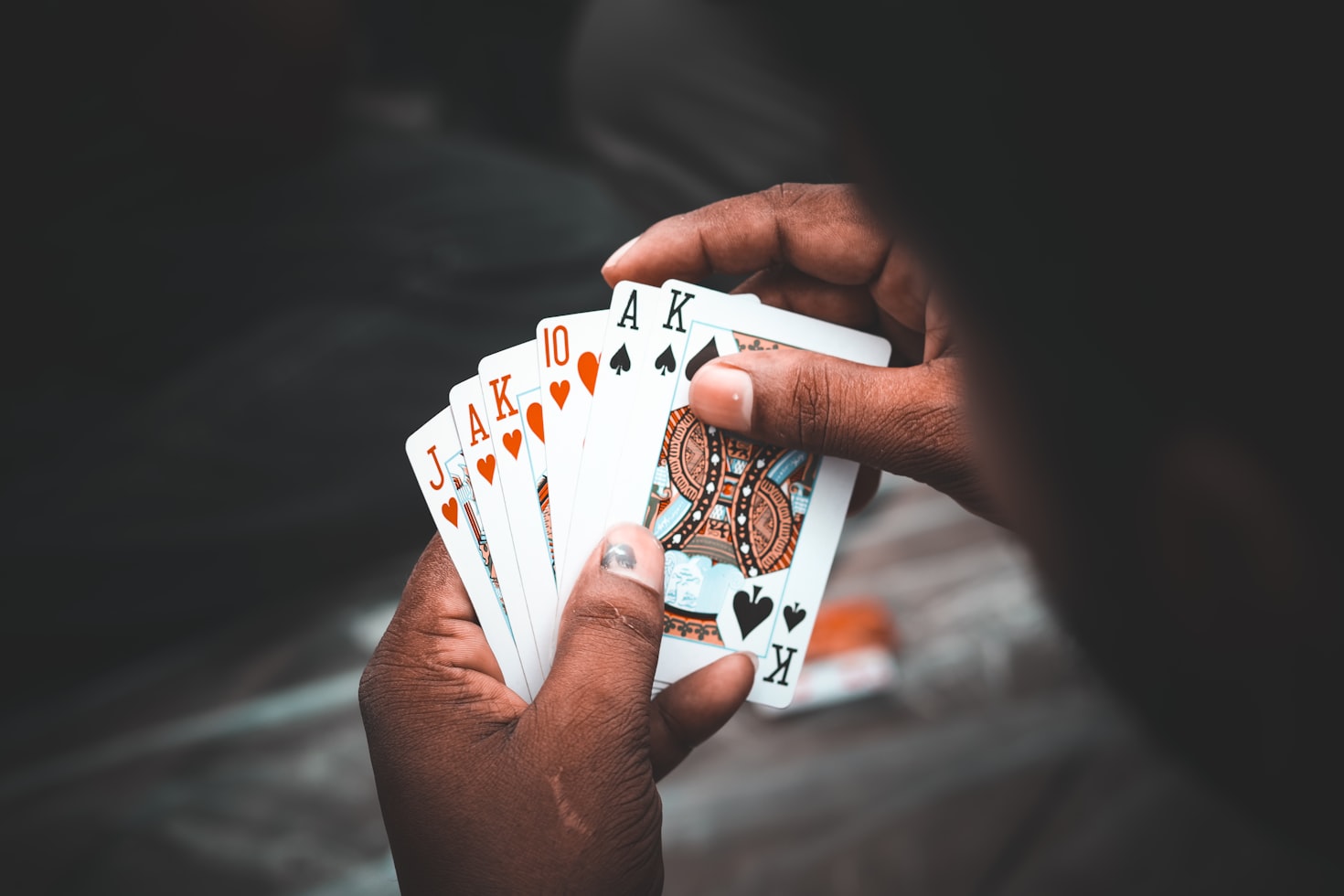
This misconception is particularly prevalent in games of chance where some element of player choice exists, such as slot machines or card games. While skill can play a role in certain forms of gambling like poker, the majority of casino offerings are designed with a house edge, meaning that over the long run, the casino is statistically guaranteed to profit. Player strategies often fail to account for this inherent advantage, leading to a persistent cycle of hope and disappointment.
Debunking the Gambler’s Fallacy
The gambler’s fallacy is another pervasive myth that significantly distorts player perceptions. This fallacy suggests that if an event has occurred more frequently than normal during the past, it is less likely to happen in the future, or vice versa. For example, a player might believe that after a series of red outcomes on a roulette wheel, black is “due” to appear. This thinking is mathematically unsound, as probability does not have a memory.
In reality, each independent event in gambling, whether it’s a card dealt, a dice roll, or a slot machine outcome, has the same probability of occurring as any other. The outcome of previous events has no bearing on future outcomes. Understanding this concept is crucial for responsible gambling, as it helps players make decisions based on objective probabilities rather than emotional or superstitious beliefs. Websites that focus on providing educational resources can be invaluable in dispelling these kinds of myths.
The Reality of Slot Machine Randomness
Slot machines, despite their engaging visuals and sound effects, operate on sophisticated random number generators (RNGs). A common player misconception is that certain machines are “hot” or “cold,” or that patterns in winning symbols can be predicted. This is entirely false. The RNG ensures that every spin is a truly random event, generating millions of possible outcomes per second, and selecting one based on pure chance.
The appearance of winning combinations is a result of the RNG’s output matching the machine’s payline configurations. There is no memory within the machine, and past wins or losses do not influence future payouts. The Return to Player (RTP) percentage, often advertised by online casinos, represents the theoretical long-term average payout, not a guarantee of immediate returns. Players should approach slot machines with the understanding that they are games of pure chance, where entertainment value should be the primary focus.
The Role of House Edge and Return to Player (RTP)
A critical aspect of gambling that often leads to player misconceptions is the concept of the house edge. This is the mathematical advantage that the casino holds in any given game, ensuring its profitability over time. For example, in American roulette, the presence of both a ‘0’ and ’00’ gives the house an edge of approximately 5.26%. In blackjack, while player skill can reduce the house edge, it still exists.
The Return to Player (RTP) is the inverse of the house edge, indicating the theoretical percentage of wagered money that a game will pay back to players over an extended period. For instance, a slot machine with a 96% RTP will, on average, pay back £96 for every £100 wagered. However, this is a statistical average and does not guarantee individual player returns. Misinterpreting RTP as a personal guarantee of winning is a significant misconception. It’s vital for players to understand these figures in context.
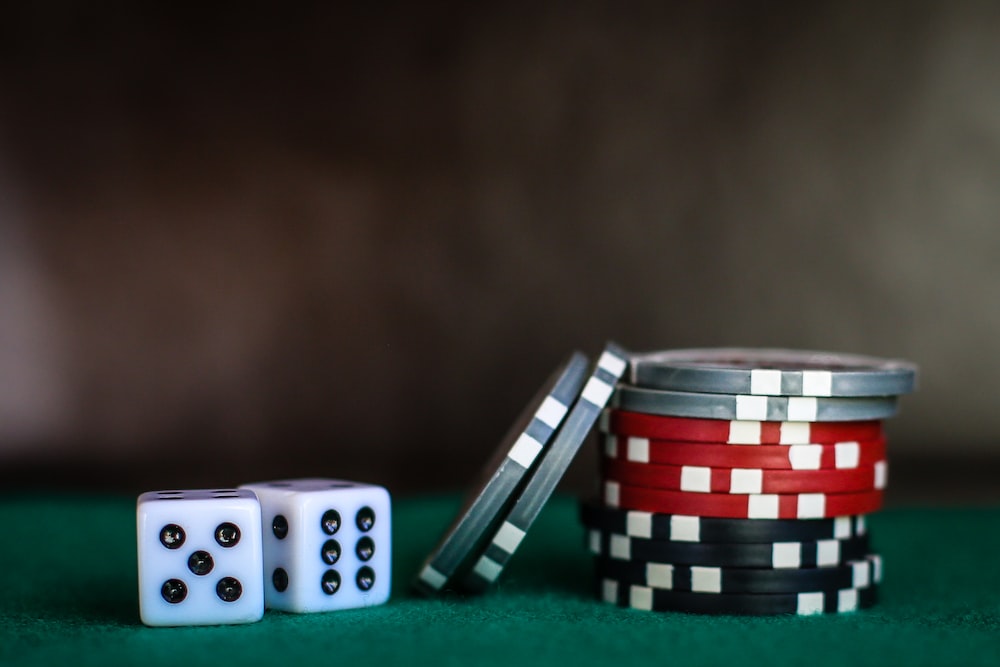
Slots Shine UK: Navigating the World of Online Gambling Responsibly
Understanding the underlying models of gambling is paramount for a responsible and enjoyable experience. Websites like Slots Shine UK aim to demystify the often-complex world of online casinos and slot games. By providing clear explanations of concepts such as RNGs, house edge, and RTP, they empower players to make informed decisions and avoid common misconceptions.
Slots Shine UK likely serves as a hub for players seeking information on different slot titles, casino reviews, and guides to responsible gambling practices. Their purpose would be to offer a transparent view of the online gambling landscape, helping players to distinguish between genuine entertainment and potentially harmful illusions. By focusing on education and awareness, platforms like Slots Shine UK can play a vital role in fostering a healthier approach to gambling, encouraging players to understand the odds and play within their means.